The Personality of the Ingredient: Understanding Scent, Color, and Texture

The Personality of the Ingredient: Understanding Scent, Color, and Texture
When we talk about food, it’s never just about taste. An ingredient’s scent, color, and texture tell a story—about where it comes from, how fresh it is, and what it can become in your kitchen. Learning to read these qualities is like learning a language: each nuance helps you cook with more awareness and creativity. This article explores how to recognize the personality of your ingredients and use that understanding to elevate your cooking.
Scent – the ingredient’s first voice
Scent is often the first thing that greets you when you pick up an ingredient. It can reveal ripeness, quality, and even how it was stored. A ripe peach should smell sweet and floral, while fresh seafood should carry a clean, oceanic aroma—not a sharp or sour one.
Training your nose helps you choose better ingredients. Compare the smell of freshly picked herbs to those that have been sitting in the fridge for a week—the difference is immediate. Fresh basil, for instance, releases a bright, peppery fragrance, while older leaves lose their vitality and smell dull.
Scent also transforms during cooking. When onions caramelize, they develop a deep sweetness; when coffee beans are roasted, their oils release rich, nutty aromas. Understanding these changes allows you to balance flavors and build complexity in your dishes.
Color – a window into freshness and flavor
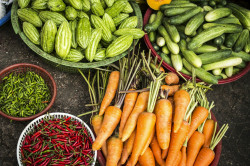
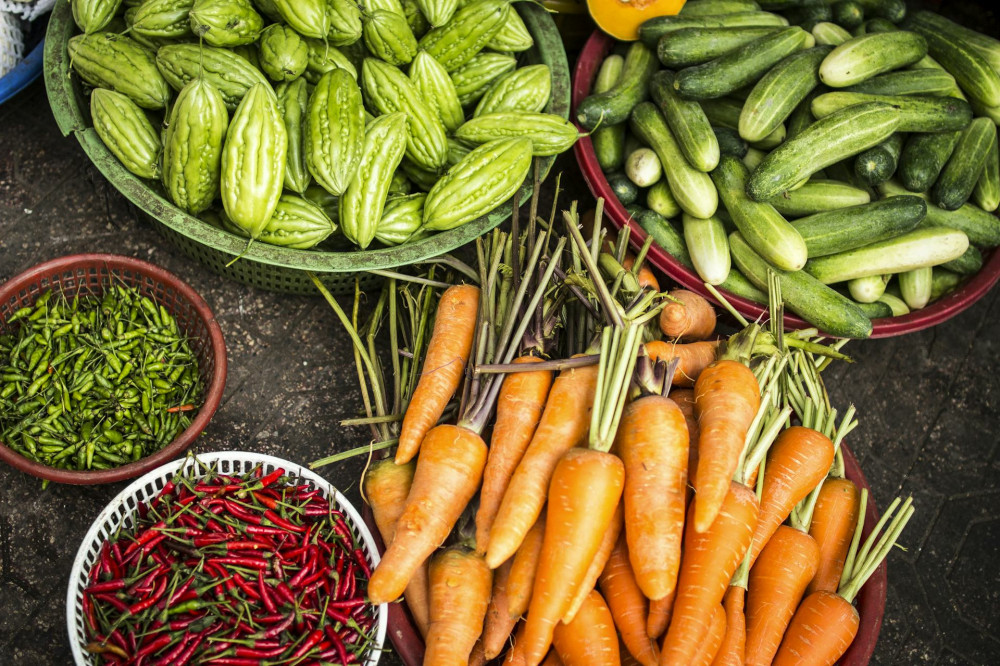
Color is more than visual appeal—it’s a signal. It tells you about freshness, ripeness, and even nutritional value. A vibrant green asparagus spear or a deep red strawberry is a sign of life and flavor. When colors fade, it often means the ingredient’s best days are behind it.
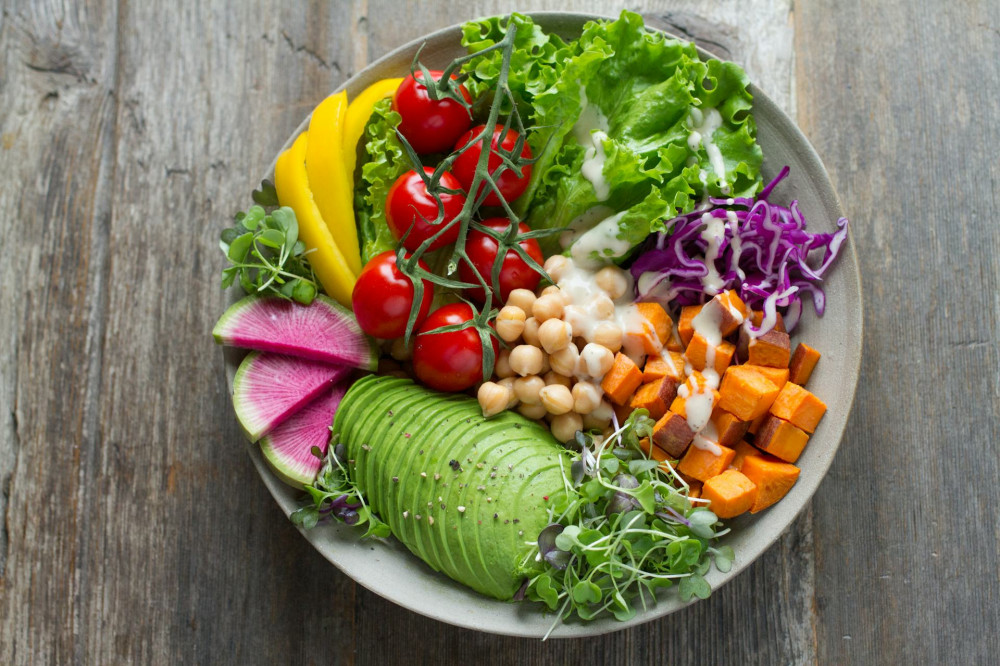
In many fruits and vegetables, intense color correlates with higher levels of flavor compounds and nutrients. Think of the deep orange of a sweet potato or the dark purple of blueberries—those pigments are often linked to antioxidants and natural sugars.
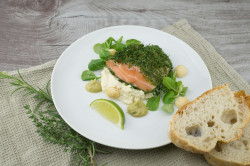
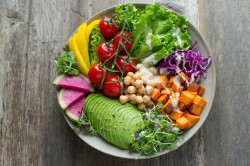
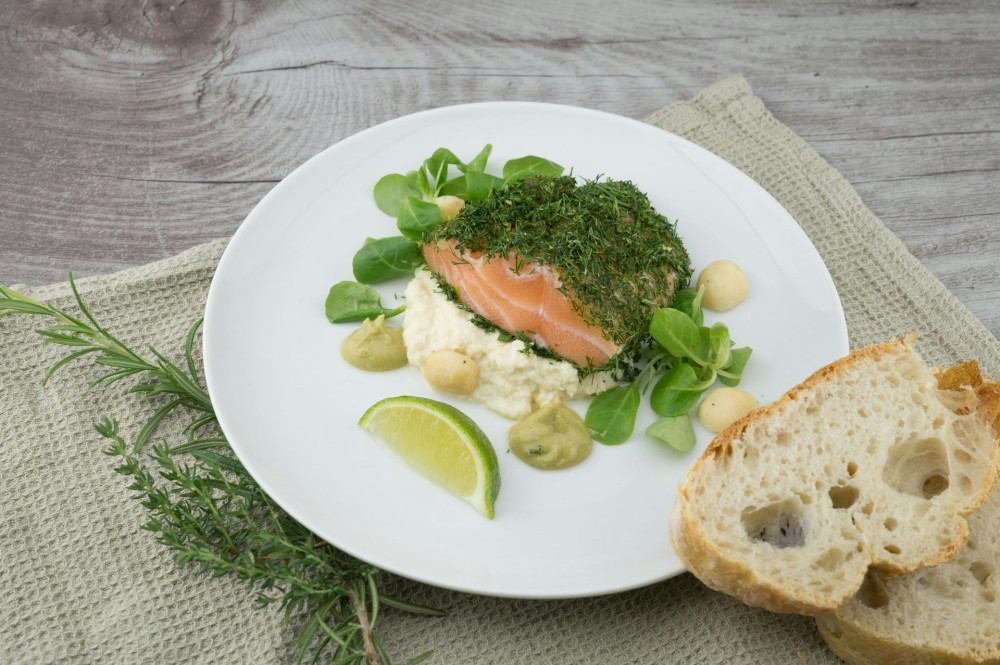
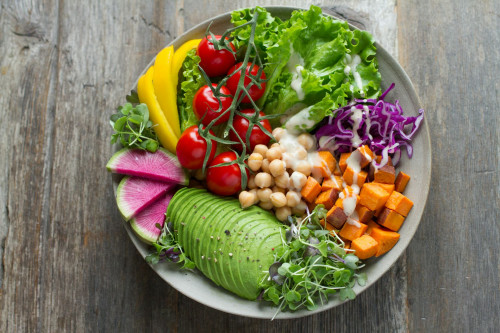
When you cook, use color as a guide to balance and harmony. A plate that combines bright greens, golden grains, and ruby-red tomatoes doesn’t just look beautiful—it stimulates appetite and sets expectations for taste. When color and flavor align, the dining experience feels complete.
Texture – the feel that completes the experience
Texture is the ingredient’s tactile personality. It determines how food feels in your mouth—whether it’s crisp, creamy, chewy, or airy. A perfectly ripe avocado should be smooth and buttery, while a fresh apple should crunch and release juice with every bite.
Understanding texture helps you choose the right cooking method. A tender cut of steak benefits from quick searing to preserve juiciness, while root vegetables shine when roasted slowly, allowing their natural sugars to caramelize and their flesh to soften.
Combining textures can make a dish more engaging. Think of a salad where crisp greens meet creamy dressing and toasted nuts—it’s the contrast that keeps each bite interesting.
The interplay of the senses
Scent, color, and texture are deeply connected. An ingredient with a strong aroma often has a vivid color and a distinctive texture. When you learn to see, smell, and feel with intention, you begin to understand how ingredients interact and complement one another.
Chefs often talk about “sensory balance”—the art of creating harmony between what we see, smell, and taste. That’s where the true personality of an ingredient comes alive.
Next time you cook, take a moment before you begin: look at the color, feel the texture, and breathe in the scent. It’s a simple exercise, but it sharpens your senses and makes you a more intuitive cook.
Læs også:

From ingredient to experience
Understanding the personality of an ingredient isn’t about perfection—it’s about presence. When you learn to read scent, color, and texture, cooking becomes a sensory journey rather than a routine task.
It’s in the meeting between your attention and the ingredient that the magic of cooking begins. The better you know the language of your ingredients, the more vibrant and expressive your food will become.
Læs også: