Seasonal Shift in the Kitchen: How to Make the Most of Fresh, In-Season Ingredients

Seasonal Shift in the Kitchen: How to Make the Most of Fresh, In-Season Ingredients
As the seasons change, so do our surroundings—and our kitchens should follow suit. Cooking with the rhythm of the year isn’t just about freshness and flavor; it’s also about sustainability, economy, and creativity. By choosing ingredients that naturally thrive at certain times of the year, you’ll enjoy better taste, higher quality, and more inspiration for your meals. Here’s a guide to making the most of what each season brings—from spring’s first greens to winter’s hearty roots.
Spring – Freshness and Renewal on the Plate
After the long winter, spring is a time for lightness and renewal. The first tender vegetables appear, and flavors turn bright and green.
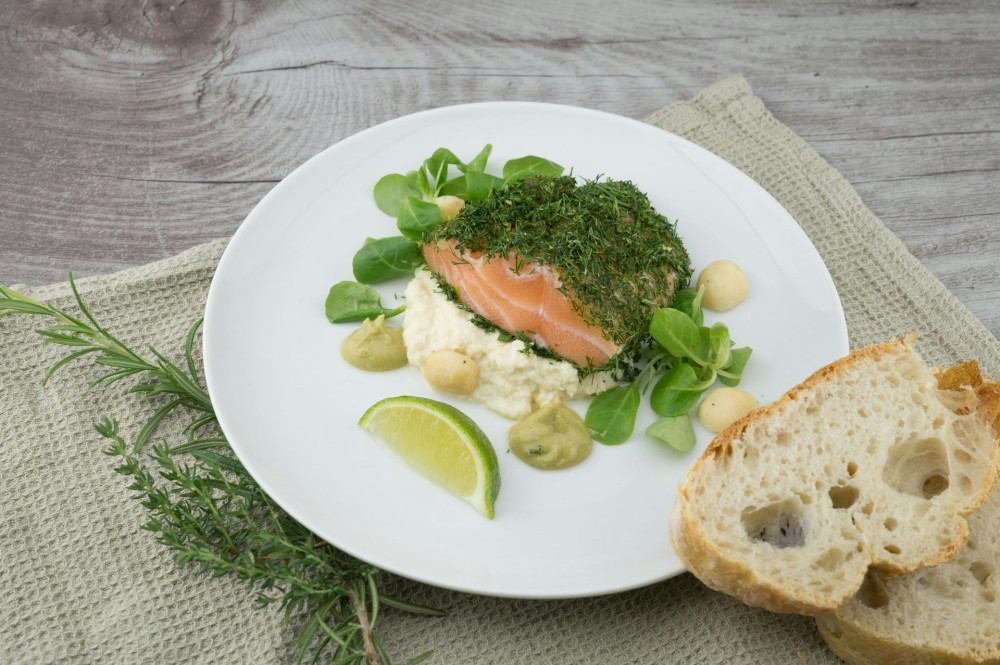
- Asparagus, peas, radishes, and baby greens are spring’s stars. They need little cooking and pair beautifully with fish, eggs, or chicken.
- Fresh herbs like chives, dill, and parsley add brightness to dressings, omelets, and salads.
- Tip: Try a spring salad with roasted asparagus, new potatoes, and a lemon-mustard vinaigrette—it’s a dish that tastes like sunshine.
Spring is also the perfect time to start thinking about lighter meals and fresh juices. Use early strawberries or rhubarb for compotes or smoothies, and enjoy the feeling of renewal in your kitchen.
Summer – Abundance and Color
Summer is the season of plenty. Farmers’ markets overflow with produce, and it’s the best time to fill your basket with nature’s bounty.
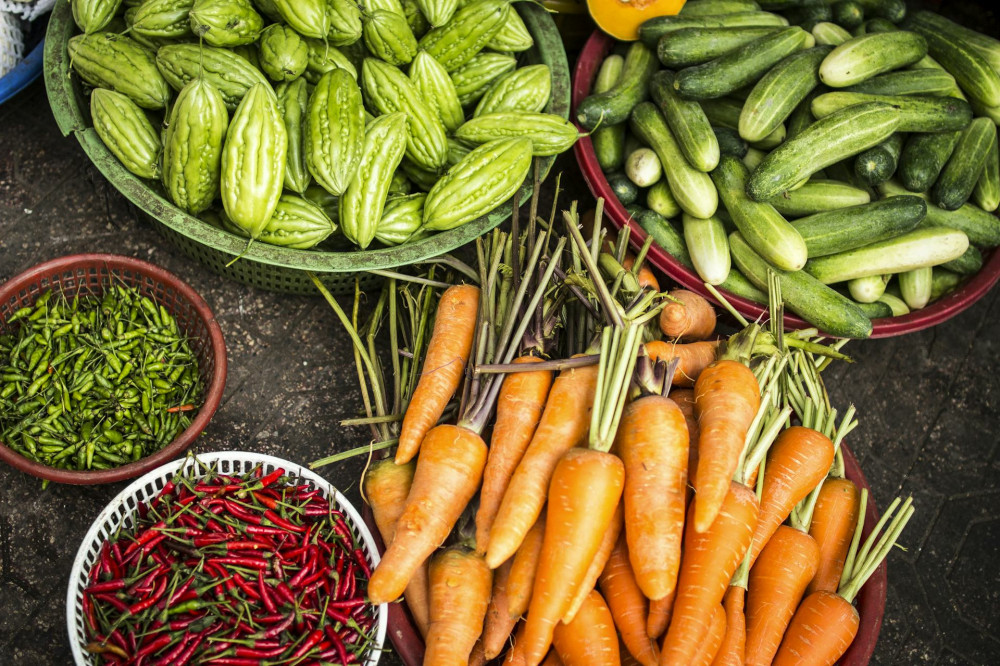
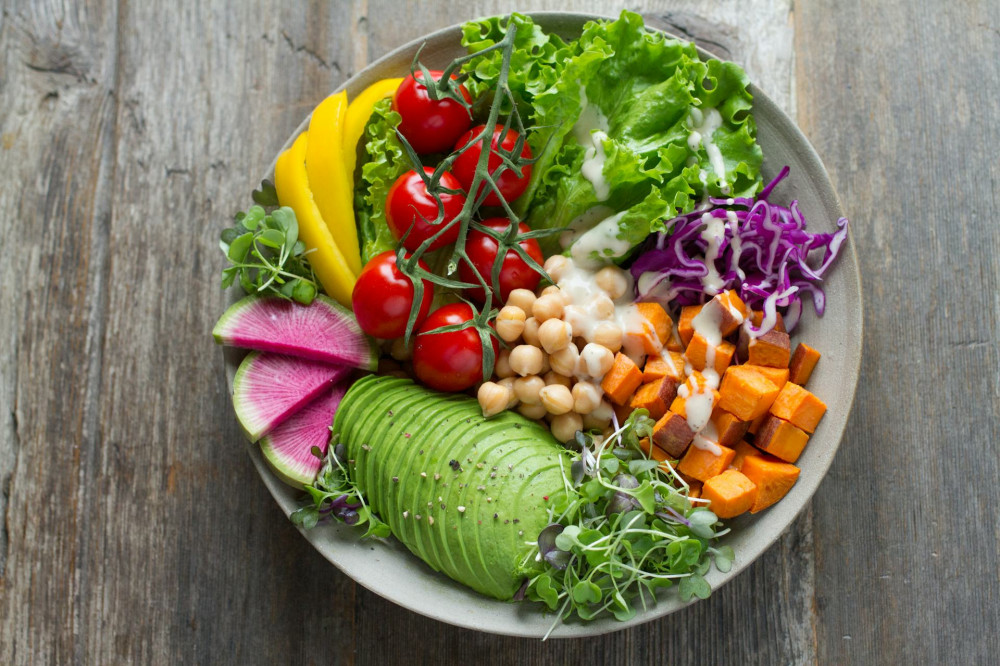
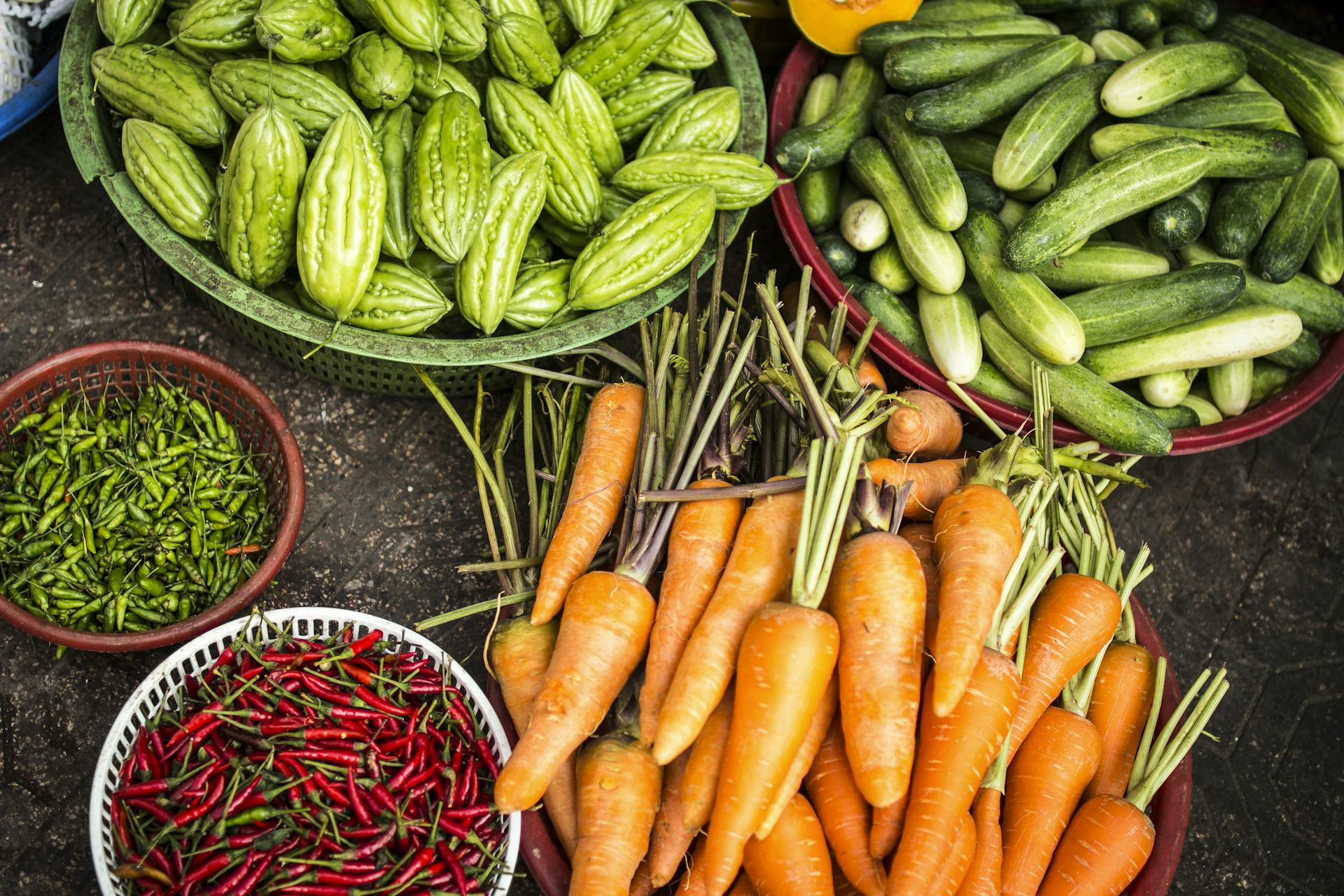
- Tomatoes, cucumbers, corn, zucchini, and berries are at their peak. Eat them raw, grill them, or make chilled soups like gazpacho.
- Grilling and picnics are ideal ways to enjoy summer’s harvest. Try grilled vegetables with olive oil and fresh herbs, or toss corn and cherry tomatoes into a simple pasta salad.
- Berries—strawberries, blueberries, raspberries— shine in desserts, salads, or simply eaten by the handful.
Summer cooking is all about simplicity. When ingredients are this good, you don’t need to do much. A drizzle of olive oil, a pinch of salt, and a handful of herbs can be enough to make a meal sing.
Fall – Warmth, Depth, and Harvest Time
Fall brings a sense of calm and depth to the kitchen. It’s time to turn on the oven and bring out the soup pot.
- Root vegetables like carrots, sweet potatoes, and beets add sweetness and body to dishes. Roast them, mash them, or blend them into soups.
- Mushrooms, squash, and hearty greens bring earthy, umami-rich flavors. Try a mushroom risotto or a kale salad with apples and toasted nuts.
- Apples, pears, and pumpkins are perfect for both sweet and savory dishes—from pies to chutneys.
Fall is also the season for preserving. Make apple butter, pickle beets, or freeze roasted squash so you can enjoy a taste of autumn later in the year.
Winter – Comfort, Slow Cooking, and Warmth
When the days grow short and the air turns cold, we crave warmth and comfort. Winter cooking is about making the most of sturdy, long-lasting ingredients.
- Cabbage, potatoes, onions, and root vegetables form the backbone of winter meals. Use them in stews, soups, and casseroles that warm you from the inside out.
- Citrus fruits and tropical imports bring brightness to the darker months—add them to salads or use their zest to lift heavier dishes.
- Tip: Make a classic beef stew with root vegetables and red wine—it’s even better the next day.
Winter is also the perfect time to bake. The smell of fresh bread or cookies can make even the coldest day feel cozy.
Læs også:

How to Plan Around the Seasons
Eating seasonally doesn’t mean overhauling your entire meal plan—it just means thinking a little differently.
- Check seasonal produce guides – Many grocery stores and food websites list what’s in season in your region.
- Shop local – Visit farmers’ markets or farm stands for the freshest produce straight from the source.
- Plan meals around what’s available – Let the produce inspire you instead of sticking to a fixed recipe list.
- Preserve and store – Freeze berries, make jams, or dry herbs so you can enjoy seasonal flavors year-round.
A Sustainable and Flavorful Habit
Cooking with the seasons isn’t just good for your taste buds—it’s a way to support local farmers, reduce food waste, and reconnect with nature’s rhythm. When you choose ingredients at their peak, you get more flavor for your money and a natural variety in your diet.
The seasonal shift in the kitchen reminds us that food is more than fuel—it’s part of the year’s cycle. By letting nature guide your menu, you’ll find freshness, balance, and the simple joy of eating in tune with the seasons.
Læs også: