Warm and Cool Colors – Learn to Create Balance and Harmony in Your Outfit

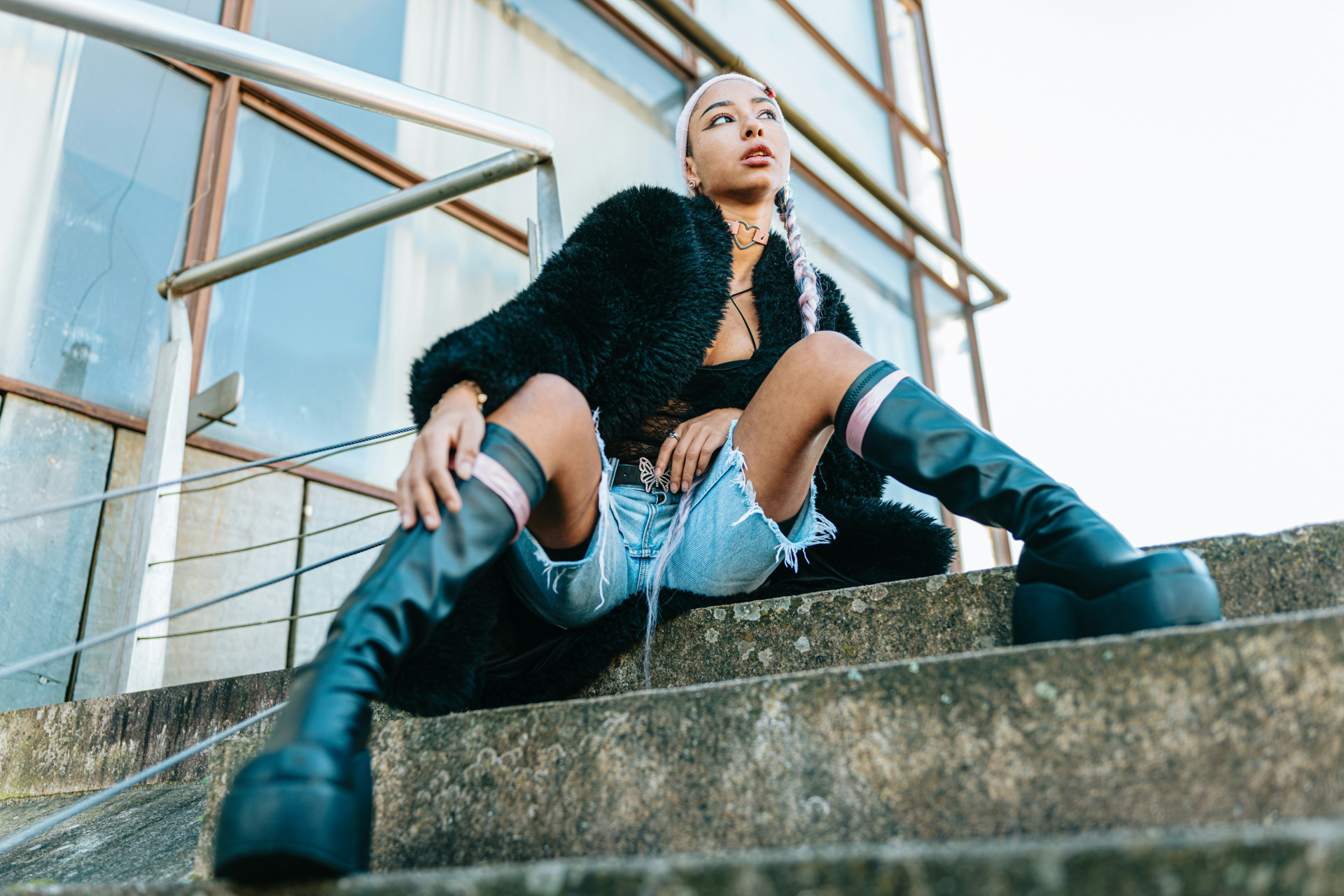
Warm and Cool Colors – Learn to Create Balance and Harmony in Your Outfit
Colors play a powerful role in how we express ourselves through clothing. They can highlight our personality, set a mood, and influence how others perceive us. Yet, many people find it tricky to combine colors in a way that feels balanced and harmonious. The key lies in understanding the difference between warm and cool colors—and how to use them to create visual balance in your outfit.
What Are Warm and Cool Colors?
A good place to start is the color wheel, where colors are typically divided into two main groups:
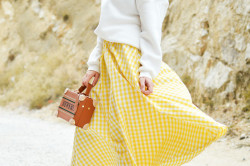
- Warm colors: Red, orange, yellow, and their variations. These shades are associated with energy, warmth, and vibrancy.
- Cool colors: Blue, green, purple, and their related tones. They evoke calmness, sophistication, and serenity.
Warm colors tend to “advance” visually, drawing attention, while cool colors “recede,” creating a sense of depth. By understanding this, you can use color placement to highlight certain parts of your body or balance your proportions.
Discover Which Colors Flatter You Most
While everyone can wear both warm and cool colors, some shades will naturally complement your skin tone, hair, and eye color better than others. A simple guideline is:
- If you have a warm undertone (golden, peachy, or olive skin; brown or green eyes; golden or auburn hair), warm colors often enhance your features.
- If you have a cool undertone (rosy or pinkish skin; blue or gray eyes; ash-blonde or dark hair), cool colors usually bring out your best look.
You can test your undertone by holding both silver and gold jewelry against your skin. Silver tends to flatter cool undertones, while gold complements warm ones.
Create Balance in Your Outfit
An outfit rarely feels harmonious if it’s made up entirely of either warm or cool colors. The secret is to find the right balance. Here are a few simple principles:
- Choose one dominant color and use contrasting tones as accents.
- Mix warm and cool shades to add depth—for example, pair a warm camel jacket with a cool navy shirt.
- Use neutrals like white, gray, black, or beige to bridge warm and cool tones.
- Play with layers and textures—combining different fabrics and finishes makes your outfit more dynamic and balanced.
Dress for Your Mood
Colors don’t just affect how you look—they also influence how you feel. Warm colors can boost your energy and confidence, while cool colors can help you feel calm and collected.
- For a meeting or presentation, blue conveys trust and professionalism.
- For a party or social event, red or coral can make you appear more outgoing and confident.
- On relaxed days, green and tan tones create a natural, grounded vibe.
By choosing colors intentionally, you can align your outfit with your mood and the impression you want to make.
Læs også:

Use Accessories to Adjust the Balance
You don’t need to overhaul your entire wardrobe to achieve color harmony. Accessories are a simple way to balance warm and cool tones. A scarf, belt, or pair of shoes in a contrasting color can completely change your look.
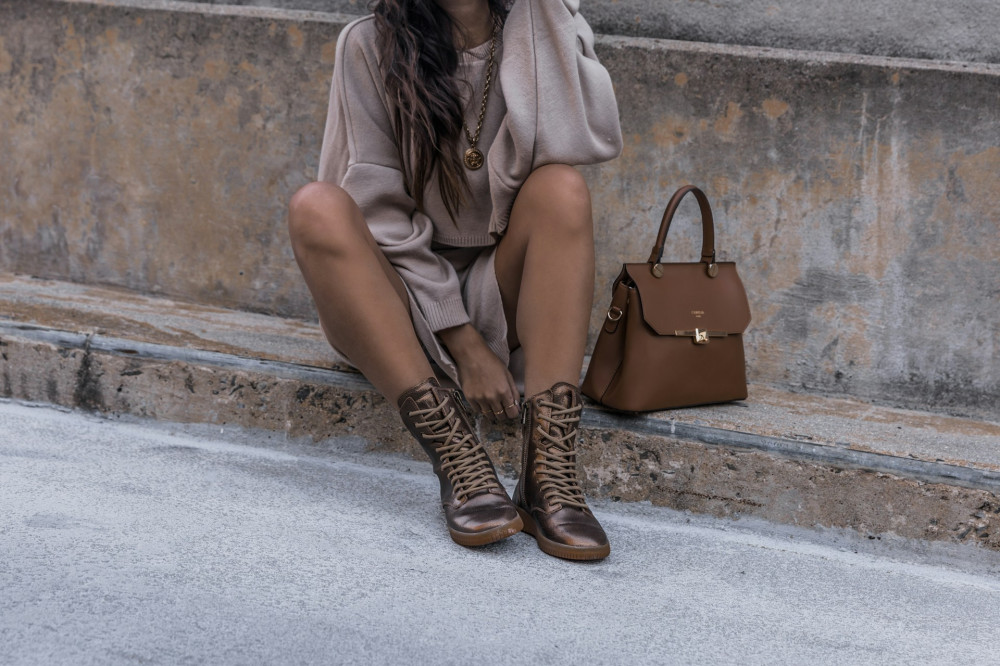
For example, if your outfit is mostly cool—say, gray and blue—add a warm element like a brown handbag or gold jewelry to bring warmth and life. Conversely, if your outfit leans warm, a silver necklace or a cool-toned clutch can tone it down beautifully.
Find Your Personal Color Harmony
There are no strict rules when it comes to color combinations—the most important thing is that you feel comfortable and confident. Experiment in front of a mirror and notice how different colors affect both your appearance and your mood.
Once you understand how warm and cool colors interact, it becomes easier to create outfits that express your personality and feel visually balanced. It’s not about following trends—it’s about discovering the harmony that feels uniquely yours.
Læs også: