Layering: How to Create Depth and Flexibility in Your Wardrobe

Layering: How to Create Depth and Flexibility in Your Wardrobe
Mastering the art of layering isn’t just about staying warm—it’s about creating flexibility, style, and personality in your wardrobe. The layering principle allows you to adapt to changing temperatures, different occasions, and your own unique expression. With the right combinations, you can make the most of what you already own while building outfits that feel intentional and dynamic.
What Does Layering Mean?
Layering is about building your outfit in several levels—typically a base layer, a middle layer, and an outer layer. Each serves a purpose, but together they create both comfort and visual depth. It’s a technique used everywhere from outdoor gear to high fashion because it blends practicality with aesthetics.
- The base layer should feel comfortable against your skin and help manage moisture. Think of a soft cotton tee, a lightweight turtleneck, or a fitted shirt.
- The middle layer adds warmth and structure—like a sweater, vest, or blazer.
- The outer layer protects against the elements and completes your look. This could be a coat, jacket, or trench.
By thinking in layers, you can easily adjust your outfit throughout the day—remove a sweater, open your jacket, or add a scarf as needed.
Balancing Materials and Textures
One of the secrets to a great layered look is mixing different materials and textures. Combining smooth, coarse, soft, and structured fabrics adds depth and makes your outfit visually interesting.
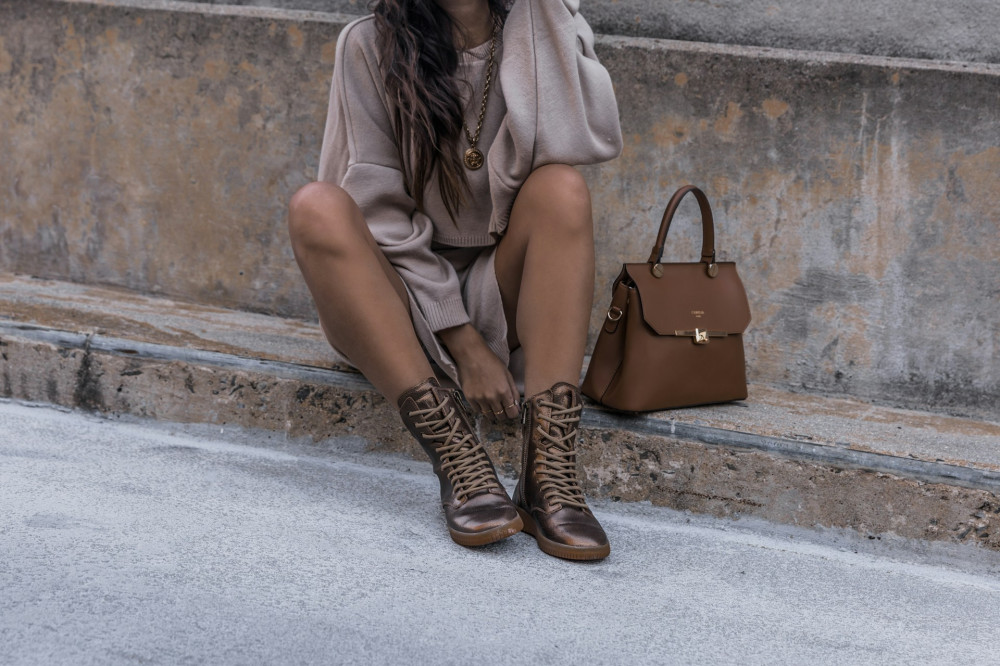
Try pairing a crisp shirt with a chunky knit and a wool coat, or layer a silk camisole under a denim shirt for a softer contrast. When mixing materials, pay attention to proportions—too many heavy layers can look bulky. Keep your inner layers light and your outer layers more substantial.
Playing with Color and Contrast
Color plays a big role in layering. You can stick to neutral tones for a calm, classic look—or use contrast to add energy and personality.
A good trick is to choose one main color that runs through several layers, then build around it with shades or complementary tones. For example, start with a cream base and add camel, olive, and tan pieces for a cohesive palette. If you want more edge, introduce a pop of color with a scarf, patterned shirt, or bold shoes.
Practical Flexibility for Everyday Life
Layering isn’t just a style choice—it’s a practical solution for unpredictable weather. In many parts of the U.S., temperatures can swing dramatically between morning and afternoon, or between indoor and outdoor settings.
Start your day with multiple layers, then adjust as needed. For instance, wear a T-shirt under a button-down, add a light sweater, and top it with a trench coat. When the sun comes out, remove the coat and still look put-together. The same applies at work—you can take off your blazer for a more relaxed meeting and still maintain a polished appearance.
Building a Wardrobe for Layering
To get the most out of layering, it helps to have a wardrobe built around versatile basics that mix and match easily.
- Invest in quality base layers – T-shirts, shirts, and thin turtlenecks in neutral colors.
- Add character with middle layers – sweaters, cardigans, vests, or lightweight blazers.
- Choose flexible outerwear – a classic coat, denim jacket, or lightweight puffer.
- Use accessories – scarves, belts, and jewelry can change the mood of an outfit without adding bulk.
When you think in layers, you’ll find you can create more combinations with fewer pieces—making your wardrobe both more sustainable and cost-effective.
Læs også:

Expressing Your Personal Style
Ultimately, layering is about self-expression. It allows you to show different sides of your style—relaxed and refined, classic and modern—depending on how you combine your pieces. It’s a method that encourages creativity and experimentation while giving your wardrobe structure and cohesion.
Once you get the hang of it, you’ll find that layering not only prepares you for the weather but also for any occasion that comes your way.
Læs også: