Gravesite Traditions in Town and Country – How Local Customs Shape Our Final Resting Place

Gravesite Traditions in Town and Country – How Local Customs Shape Our Final Resting Place
When we say goodbye to loved ones, we do so not only through words and memories but also through the physical spaces we create around their resting places. A gravesite is both a personal and cultural expression – a meeting point of local traditions, landscapes, and values. Across the United States, burial customs vary widely between urban and rural areas, reflecting how communities understand life, death, and remembrance.
City Cemeteries – Order, Design, and Practicality
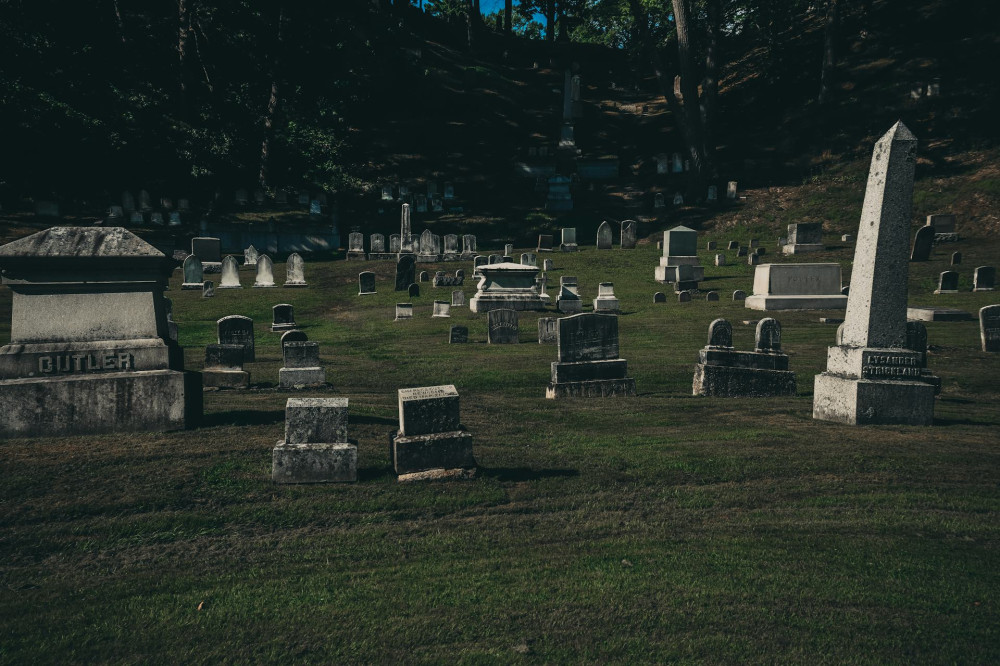
In American cities, space is limited, and that reality shapes how burial grounds are designed. Many urban cemeteries now emphasize cremation and columbariums, where urns are placed in walls or shared memorial gardens. These options require less space and maintenance, fitting the pace and practicality of city life.
Urban cemeteries often serve as green sanctuaries amid dense neighborhoods. In places like New York’s Green-Wood Cemetery or Los Angeles’s Hollywood Forever, visitors stroll, picnic, or attend cultural events. The gravestones here tend to be more uniform or artistically designed, reflecting both modern aesthetics and the city’s diversity. The urban approach to burial often blends remembrance with public space, turning cemeteries into living parts of the community.
Rural Cemeteries – Heritage, Craft, and Continuity
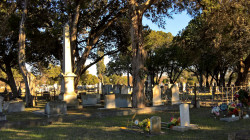
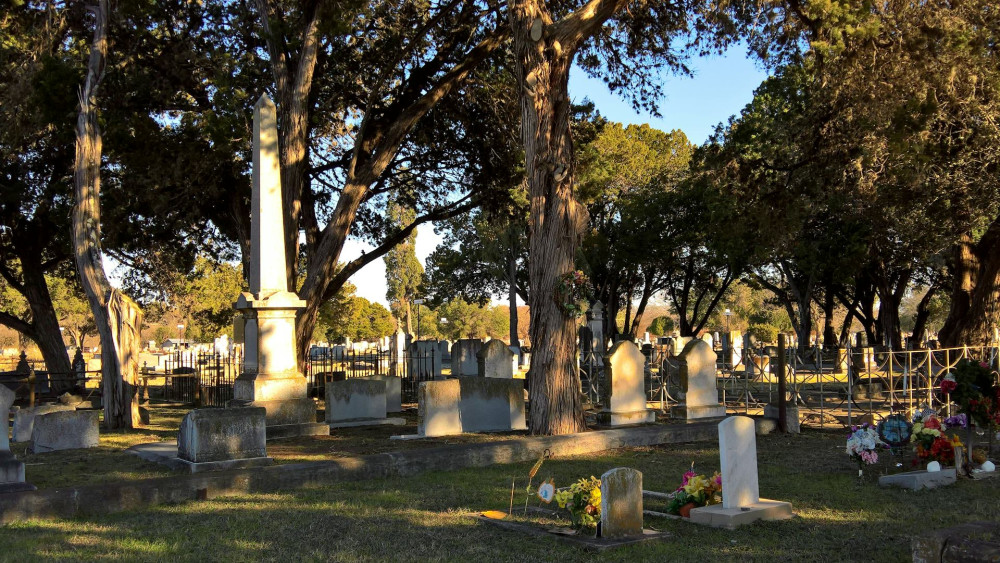
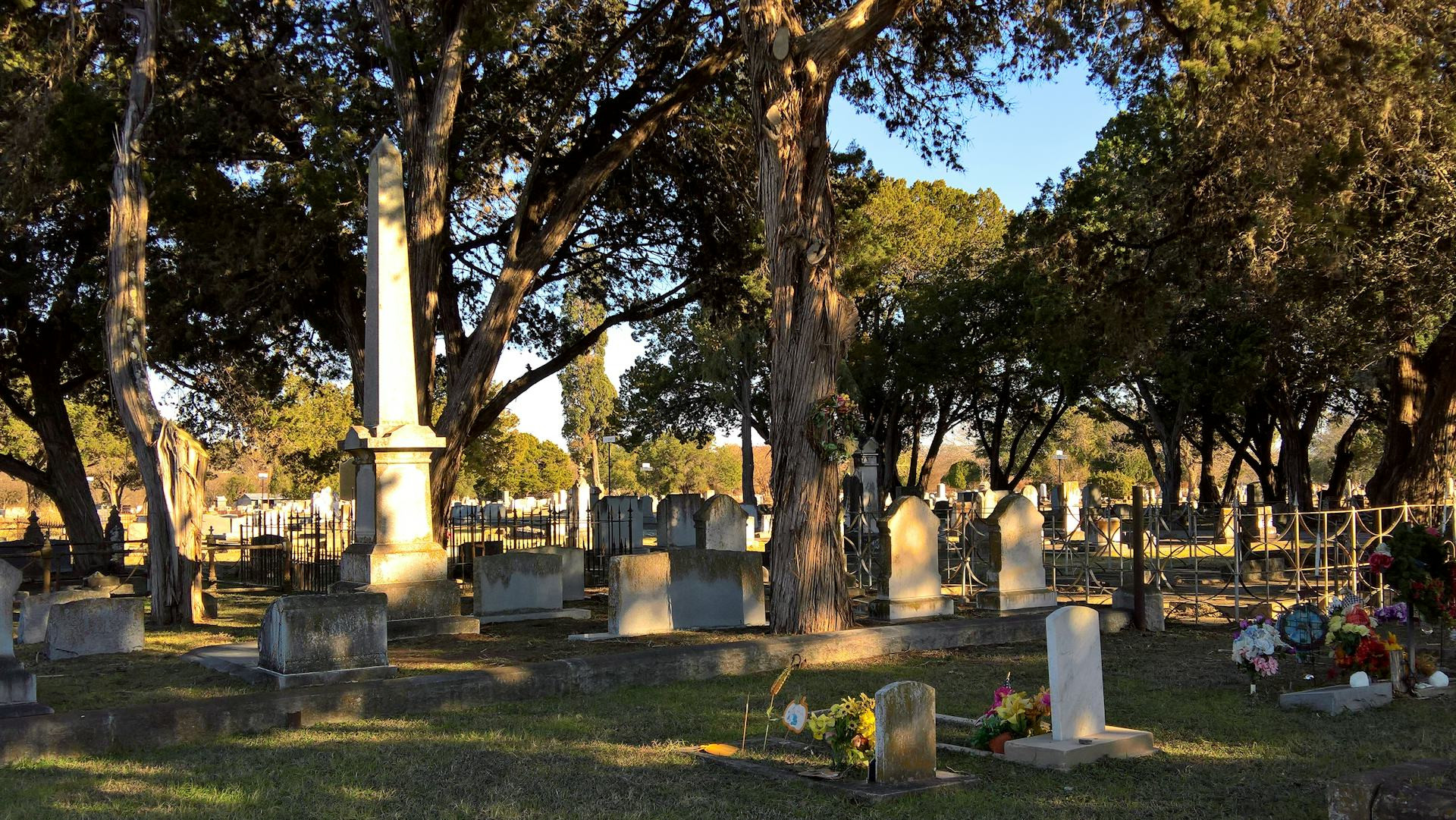
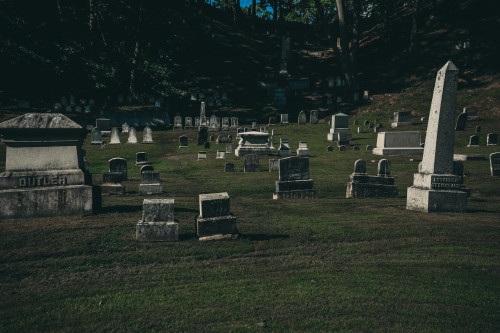
In rural America, burial traditions are often rooted in family and community history. Many families maintain family plots that have been used for generations, where names and dates trace a lineage tied to the land itself. The gravestones may be handcrafted, and the upkeep is often done by relatives, turning maintenance into an act of devotion.
Rural cemeteries tend to be more personal and varied in appearance. Flowers, fences, and homemade decorations are common, and the setting often reflects the surrounding landscape – from the rolling hills of Appalachia to the open plains of the Midwest. Here, the cemetery is not just a place of rest but a continuation of community life, where remembrance is woven into the rhythm of the seasons.
Læs også:

Local Symbols and Regional Differences
The United States’ vast geography and cultural diversity have given rise to many regional burial customs. In the South, ornate headstones and family mausoleums are common, often adorned with religious symbols or angel figures. In the Southwest, desert cemeteries may feature simple wooden crosses, colorful flowers, and offerings that reflect Hispanic and Indigenous traditions. In New England, older cemeteries display centuries-old slate stones carved with winged skulls or weeping willows – echoes of colonial-era beliefs about mortality.
Symbolism also varies. While the cross remains a dominant motif, many modern gravestones feature nature-inspired designs – trees, birds, or waves – or even personal emblems like musical notes or sports logos. These choices reflect a shift toward individuality and a broader spiritual understanding of life and death.
New Trends – Nature, Sustainability, and Simplicity
As environmental awareness grows, so does interest in green burials. These eco-friendly practices avoid embalming chemicals and metal caskets, allowing the body to return naturally to the earth. Green burial grounds, such as those in Oregon or North Carolina, often resemble meadows or forests rather than traditional cemeteries. For many, this approach offers peace in knowing that their final resting place contributes to the renewal of nature.
At the same time, memorial gardens and scattering grounds are becoming more popular, especially in urban areas. Some families choose to scatter ashes in meaningful places – a mountain trail, a lake, or a family farm – emphasizing connection over permanence. Others prefer communal memorials, where names are inscribed on shared plaques rather than individual stones. These choices reflect changing attitudes toward identity, privacy, and the meaning of remembrance.
The Gravesite as a Reflection of Life
Whether it’s a family plot in a small-town churchyard or a minimalist urn niche in a city columbarium, a gravesite mirrors the values of its time and place. It tells a story about how we live, what we cherish, and how we wish to be remembered.
In cities, we often seek efficiency and design. In the countryside, we hold on to tradition and personal touch. Yet across America, one truth remains: our final resting places are not only about death, but about life – about the landscapes, communities, and customs that shape who we are, even after we are gone.
Læs også: