From Cemetery to Memorial Park: What Changing Traditions Reveal About Our View of Death

From Cemetery to Memorial Park: What Changing Traditions Reveal About Our View of Death
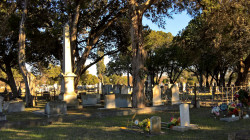
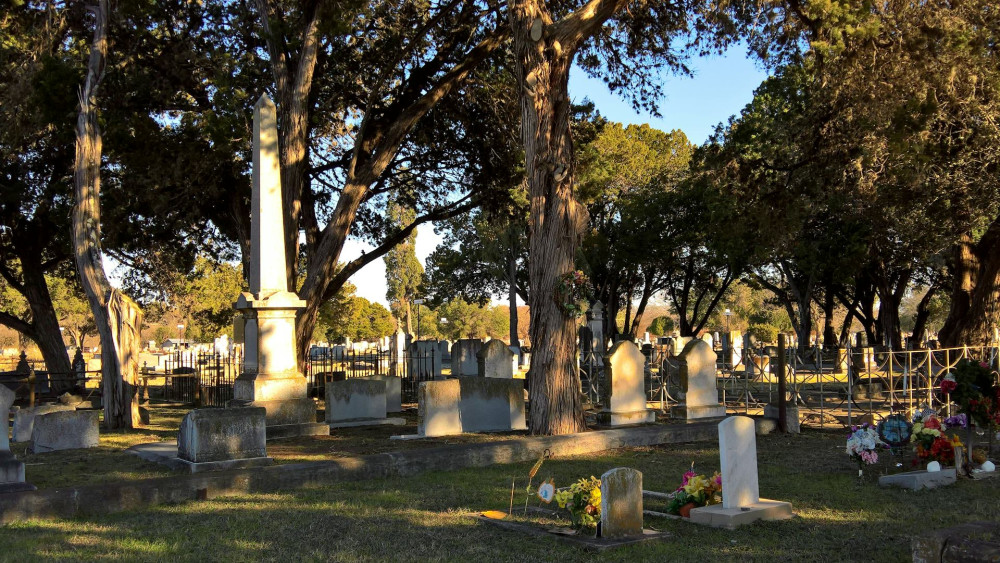
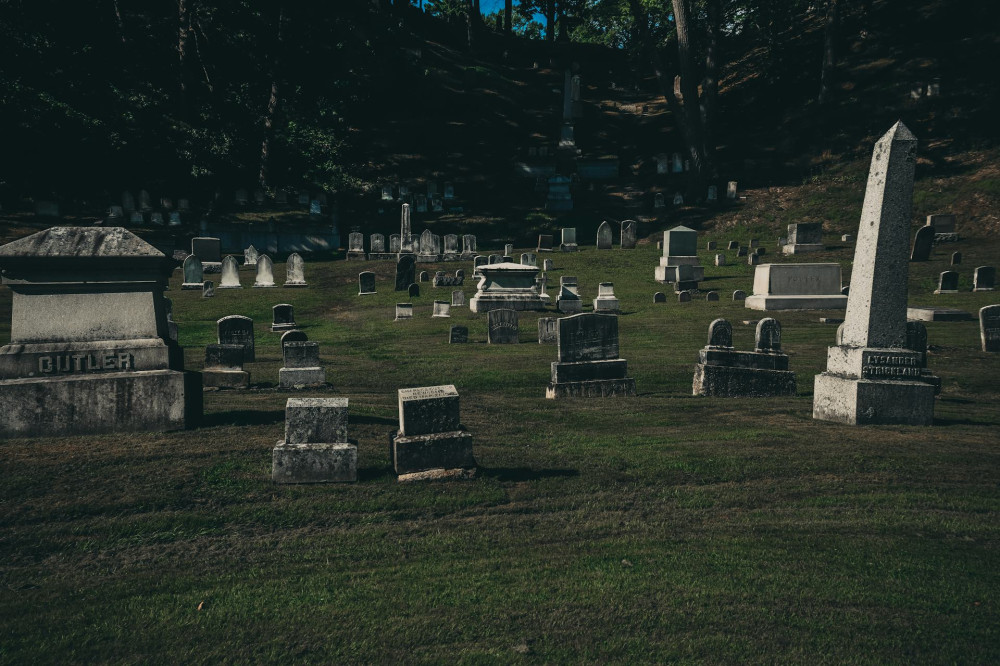
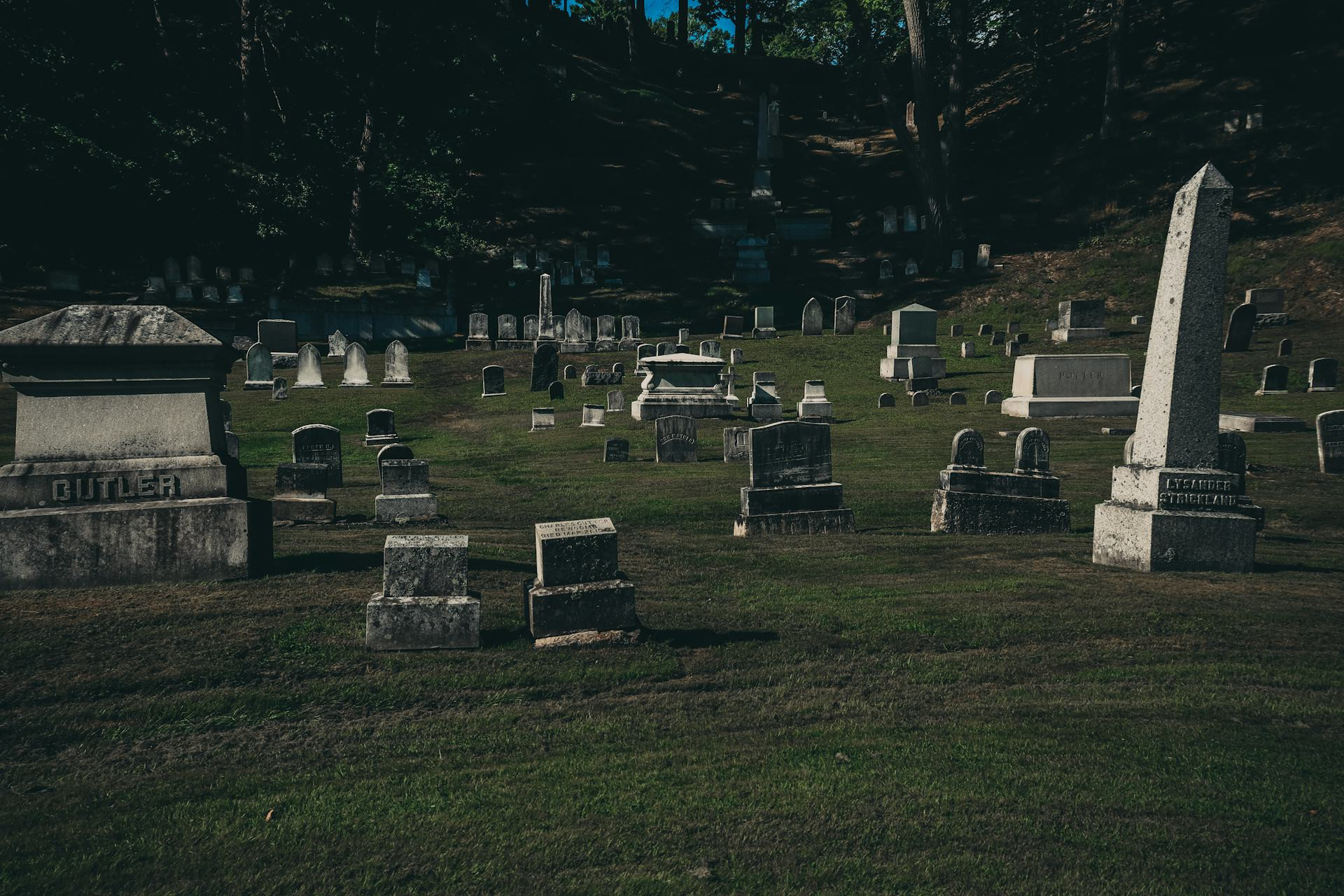
Over the past few decades, the way Americans remember and honor the dead has changed dramatically. The traditional cemetery—once a solemn place of marble headstones and quiet mourning—is giving way to greener, more personal, and often more uplifting spaces. Memorial parks, natural burials, and even digital tributes are reshaping how we say goodbye. But what do these changes tell us about our evolving relationship with death—and with life itself?
From Graveyard to Green Space
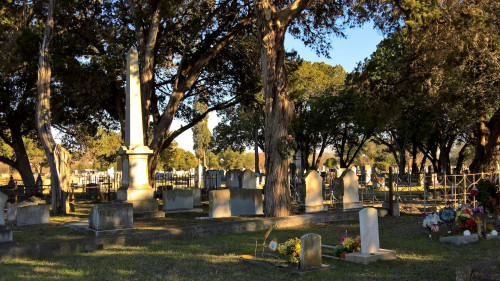
For generations, cemeteries were places of ritual and reverence, where families visited loved ones, left flowers, and found solace in stillness. Today, many people are seeking something different. Memorial parks and conservation burial grounds are becoming popular alternatives, emphasizing open landscapes, native plants, and a sense of continuity with nature. In these spaces, graves may be unmarked or shared within a communal setting, blending remembrance with environmental stewardship.
This shift reflects a growing desire to see death as part of the natural cycle rather than a stark end. A walk through a memorial park can feel less like entering a place of loss and more like stepping into a living landscape—one that invites reflection, peace, and even renewal.
Personalization and New Rituals
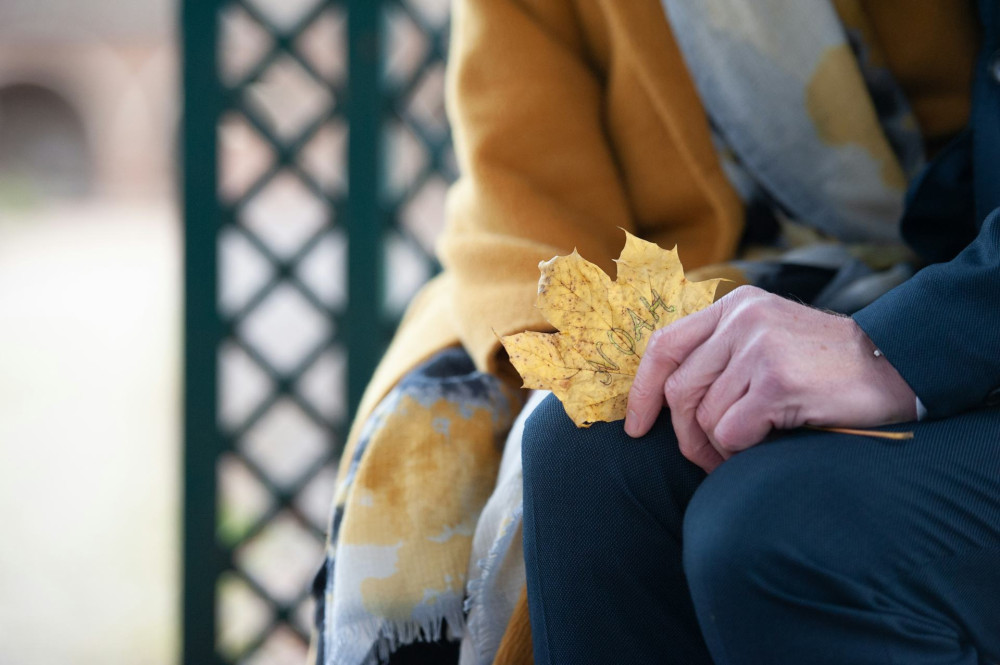
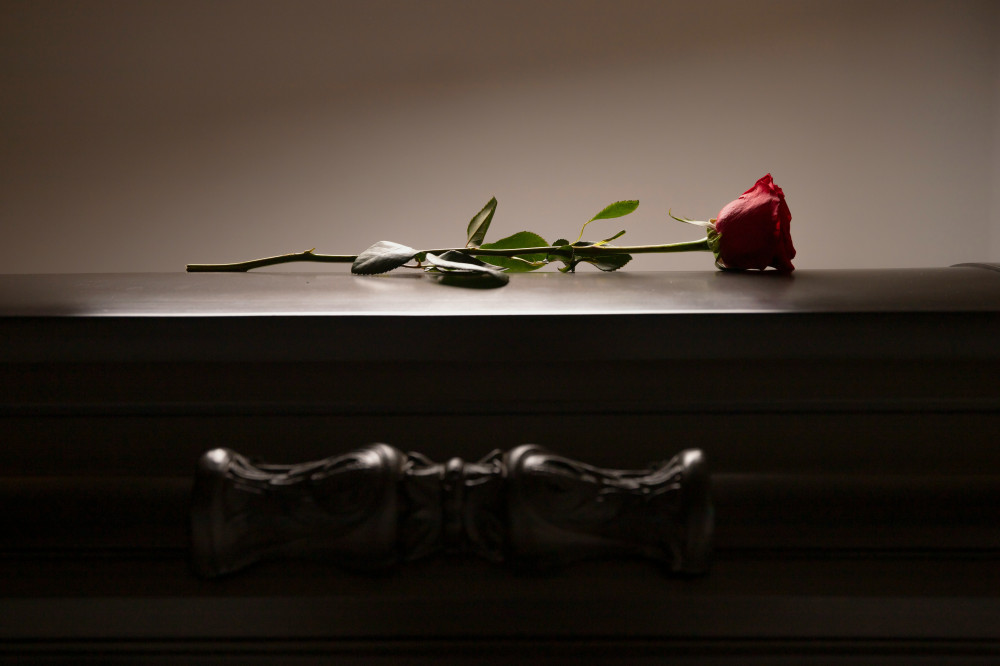
Traditional funerals once followed a familiar script, often guided by religious customs. Today, many Americans are choosing more individualized farewells. A memorial might take place in a favorite park, on a beach, or in a family backyard. Music, readings, and rituals are often chosen to reflect the personality of the deceased. Some families opt for cremation followed by a celebration of life weeks or months later, focusing on storytelling and shared memories rather than formal ceremony.
This personalization mirrors a broader cultural trend: the desire to express identity and meaning in every stage of life—including its end. Where a headstone once summarized a life in a few carved words, the modern memorial experience tells a fuller story through the choices made in remembrance.
Death as Part of Life
As conversations about death become less taboo, more people are engaging with the topic openly. Death cafés, podcasts, and memoirs about dying and grief have gained popularity, helping individuals confront mortality with honesty and even curiosity. Planning one’s own funeral or discussing end-of-life wishes is increasingly seen as an act of care rather than morbidity.
Memorial parks and alternative burial practices are part of this cultural openness. They invite us to see death not as a rupture but as a transition—one that connects us to the earth, to memory, and to one another.
The Digital Afterlife
Technology has also transformed how we remember. Online memorial pages, social media tributes, and virtual remembrance spaces allow friends and family to share stories, photos, and condolences across time and distance. For some, these digital spaces feel like a natural extension of life lived online; for others, they offer a new kind of permanence—a place where memories can be revisited long after physical markers fade.
In this way, the digital realm becomes a new kind of memorial park: borderless, accessible, and deeply personal.
Læs også:

A More Life-Affirming View of Death
The movement from cemetery to memorial park is about more than aesthetics or convenience. It signals a profound cultural shift. Increasingly, Americans are finding meaning not in rigid traditions but in nature, community, and personal expression. Death is no longer seen solely as an end, but as part of a larger continuum—one that honors both the individual and the living world.
The memorial park, whether physical or digital, stands as a symbol of this new perspective: a place where grief and gratitude coexist, where remembrance is woven into the landscape, and where the story of a life continues to grow, even after it has ended.
Læs også: