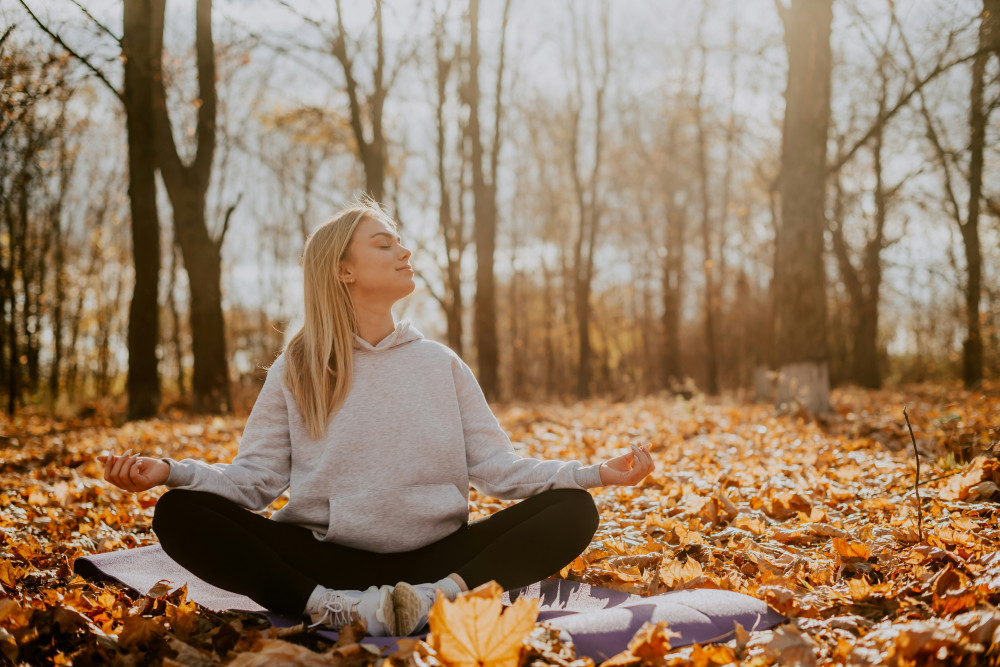
Music, Scents, and Warm Baths – Small Rituals with a Big Impact on Your Recovery


Music, Scents, and Warm Baths – Small Rituals with a Big Impact on Your Recovery
In a world that moves at full speed, recovery often ends up at the bottom of the to-do list. Yet it’s during rest that both body and mind rebuild. Simple sensory rituals – like listening to music, surrounding yourself with soothing scents, and taking warm baths – can make a remarkable difference in how quickly you recover and how balanced you feel. Here’s how you can use these small but powerful tools to recharge and restore your energy.
Music as Mental Recharge
Music has a direct effect on heart rate, breathing, and mood. Studies show that calm rhythms and harmonious tones can lower stress levels and support recovery after physical or mental exertion. It’s not about the genre but the atmosphere – choose music that helps you slow down and breathe deeply.
You can make music part of your recovery routine in several ways:
- After a workout: Play soft, slow-paced music while stretching or lying down with your eyes closed. It helps your body transition from effort to rest.
- Before bedtime: Create a nightly ritual by listening to the same relaxing tunes each evening. This signals to your brain that it’s time to wind down.
- During the day: Use music as a mental reset – to shift from work to leisure, or from activity to calm.
Think of music as an “inner massage” for your nervous system. It’s a simple, accessible way to create calm without having to overhaul your lifestyle.
The Calming Power of Scent
Our sense of smell is deeply connected to emotion and memory. Certain scents can quickly change how we feel, which is why aromatherapy is increasingly used to reduce stress and improve sleep quality.
- Lavender is known for its soothing properties and can help lower heart rate and blood pressure.
- Citrus scents like orange or bergamot can lift your mood and bring a sense of freshness.
- Eucalyptus and peppermint can create a feeling of clarity and lightness, especially after physical activity.
You can use essential oils in a diffuser, light a scented candle, or add a few drops to a warm bath. The key is to choose scents that feel natural and pleasant to you – recovery is about comfort and well-being, not about following strict rules.
Warm Baths – More Than Just Relaxation
A warm bath is a timeless recovery ritual, and for good reason. The heat increases blood flow, loosens tight muscles, and helps the body release tension. It also has a mental effect: when you sink into warm water, your body receives a clear signal that it’s time to let go.
To get the most out of your bath:
- Keep the water comfortably warm, not hot – around 98–102°F is ideal.
- Add Epsom salt or a few drops of essential oil for extra relaxation.
- Turn off your phone, dim the lights, and give yourself at least 15–20 minutes of uninterrupted quiet.
A bath can also serve as a transition ritual – a way to mark the end of a busy day and the beginning of rest.
Create Your Own Recovery Rituals
The key to effective recovery isn’t how long you rest, but how you do it. Small, repeated rituals can have a big impact because they teach your body to associate certain actions with calm and renewal. It can be as simple as lighting a candle, taking a few deep breaths, and playing a soothing melody.
Try combining multiple senses – sound, scent, and warmth – to create a full-body experience. When you engage several senses at once, the calming effect deepens, and your body relaxes more quickly.
Læs også:

Making Recovery Part of Everyday Life
Recovery isn’t just about bouncing back after a tough workout. It’s a life strategy that helps you maintain energy, focus, and resilience in a busy world. By weaving small rituals into your daily routine, you can create a rhythm where rest becomes as natural as activity.
It doesn’t take much – just a bit of awareness and the willingness to give yourself permission to pause. Music, scent, and warm baths aren’t luxuries; they’re investments in your well-being. When you make recovery a habit, you don’t just feel more rested – you become more present, creative, and ready for whatever comes next.
Læs også: