Balanced Road Trip: How to Plan Without Losing Spontaneity

Balanced Road Trip: How to Plan Without Losing Spontaneity
For many travelers, a road trip is the ultimate expression of freedom — the open road, changing landscapes, and the thrill of discovering something unexpected. But how do you plan a trip that’s both organized and open to surprise? The key lies in finding balance: between structure and spontaneity, between GPS precision and the joy of getting a little lost. Here’s how to create a road trip that runs smoothly without losing its sense of adventure.
Start with a framework — not a fixed schedule
It’s tempting to plan every stop and every hour, but that can quickly drain the fun out of your journey. Instead, start with a framework: How much time do you have? Which regions or landmarks do you want to experience? What are your must-sees — and what can you leave open for chance?
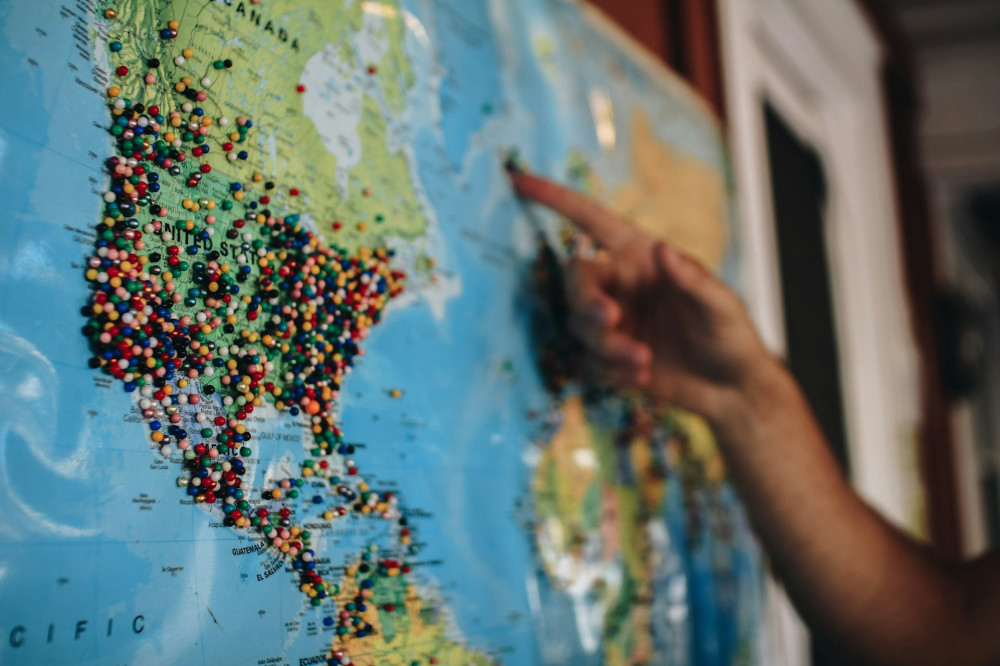
Sketch out a loose route with three to five main stops, but keep the travel days between them flexible. That way, you have direction without rigidity — and room to follow a local’s recommendation or linger somewhere that captures your heart.
Handle the essentials — and let the rest unfold
Some things are worth locking in before you hit the road. Focus on the practical details that reduce stress later:
- Transportation – Make sure your car is road-ready, or book a rental in advance. Check insurance coverage and roadside assistance options.
- Lodging – Reserve your first few nights, but leave the rest open. Some of the best stays are found spontaneously — a cozy cabin, a quirky motel, or a campsite under the stars.
- Documents and safety – Bring your driver’s license, registration, and insurance papers. If you’re crossing borders, check entry requirements.
- Budget – Set a realistic budget, but include a “spontaneity fund” for unexpected detours, concerts, or local diners you stumble upon.
Once the basics are covered, you can relax and let the trip evolve naturally.
Build in downtime
A common mistake on road trips is trying to see too much. Endless driving can leave you exhausted and disconnected from the experience. Plan rest days — days with no agenda, where you can wander a small town, read by a lake, or take a spontaneous hike.
Often, it’s in these unplanned moments that the best memories form: a conversation with a local, a roadside festival, or a sunset you didn’t expect to catch.
Læs også:


Use technology wisely
Digital tools can make travel easier, but they can also make it too controlled. Use apps for navigation, lodging, and local recommendations — but don’t let them dictate every move. Sometimes, asking a local or following a hand-painted sign leads to the most memorable discoveries.
Download offline maps and save key addresses so you can navigate even without cell service. It’s freeing — and helps you stay present in the moment.
Pack light — physically and mentally
The less you carry, the easier it is to be spontaneous. A few versatile outfits, comfortable shoes, and a small daypack are often enough. The same goes for your mindset: let go of the idea that everything must go perfectly. Some of the best stories come from detours and delays.
If you miss an exit, you might find a hidden diner. If the weather changes, you might discover a museum or a scenic backroad. Flexibility is the secret ingredient of a truly memorable trip.
Find your rhythm
Some travelers love early starts and long drives; others prefer slow mornings and short hops. There’s no single right way to road trip. The key is to find a rhythm that feels natural to you.
A good rule of thumb is to alternate between movement and stillness: a few days of driving and exploring, followed by a couple of days in one place to rest and absorb what you’ve seen.
Bring the spirit home
A great road trip isn’t just about the miles you cover — it’s about how you experience them. When you return home, try to keep that sense of openness alive. Take a new route to work, visit a nearby town you’ve never explored, or say yes to something unexpected.
Planning without losing spontaneity is an art — but once you find your balance, the road becomes more than a route. It becomes a way of traveling through life itself: prepared, curious, and open to whatever comes next.
Læs også: